The core mission
The Colonialism Project argues that South Africa has carried the financial burden of addressing structural harm from colonialism through its own national resources. The proposed Bill seeks to shift that accountability toward the sovereign successor states of former colonial powers.
A state-to-state model
The campaign's explanatory material emphasises that the proposal targets foreign states and qualifying non-diplomatic commercial sovereign assets, rather than individual citizens. It presents voluntary international arbitration as one route for resolving claims.
The central campaign claim is that historical accountability should be pursued internationally without transferring the cost of redress to ordinary South African taxpayers.
Where recovered funds are proposed to go
The proposed National De-Colonial Development Fund uses a fixed allocation matrix: 50% for rural land acquisition from willing sellers, 40% for urban education and technology infrastructure, and 10% for the legal, archival and research work of the Commission.
The proposed Claims Commission
The International Colonial Claims Commission is described as an independent expert-led institution bringing together legal historians, archivists, international law specialists, asset analysts and representatives of affected communities.
Why public participation matters
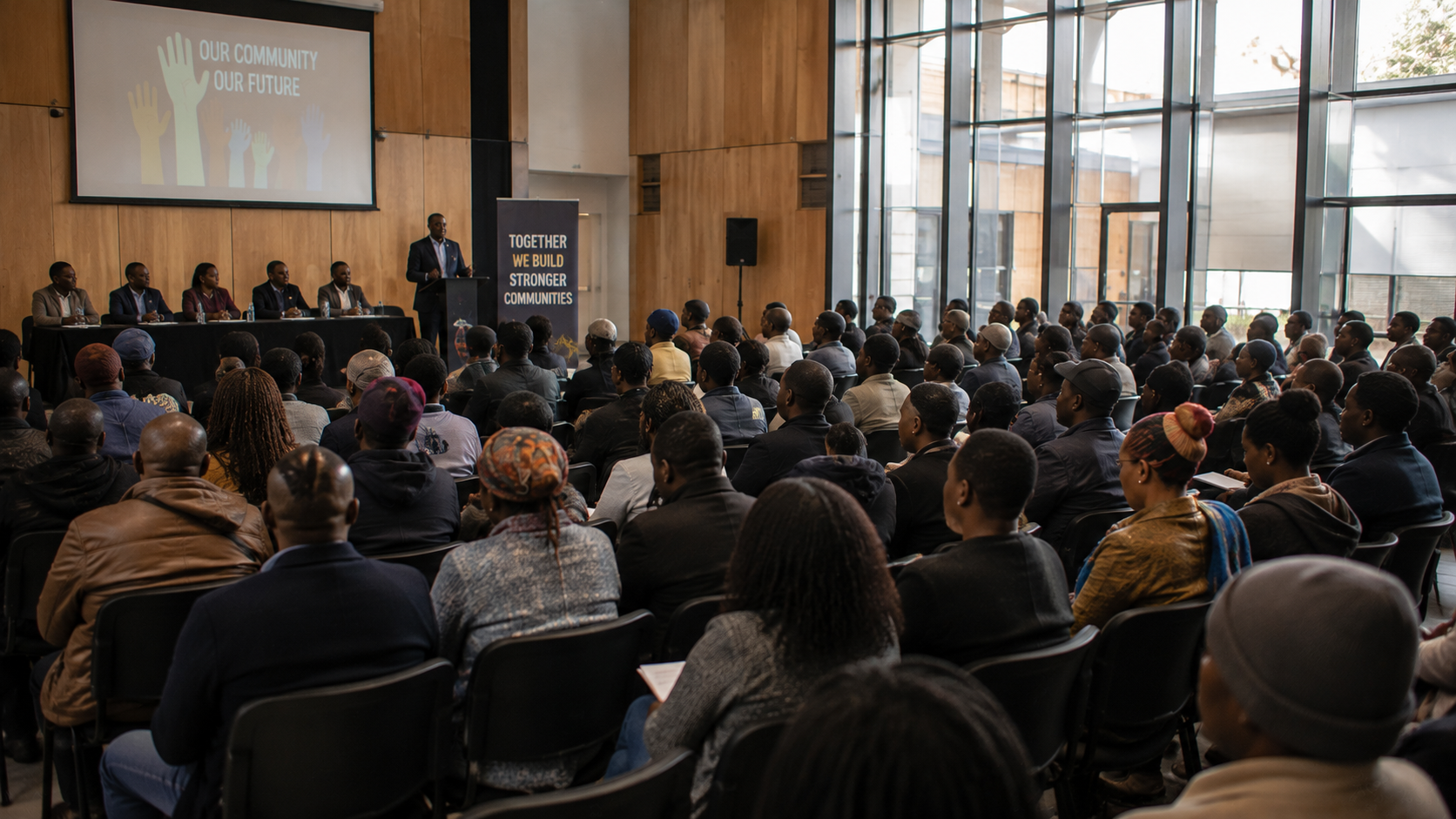
The campaign calls for public consultations across all nine provinces and encourages citizens to sign the petition, attend local hearings and submit written comments. These activities are intended to create a public record around the proposal before further legislative consideration.